
Description
11.2 Church Reform and The Crusades | Multimedia Lesson & Student Notes Package
Bring the medieval era to life in your classroom. This comprehensive, ready-to-use multimedia lesson is designed for high school world history. It is based on Module 11, Lesson 2: Church Reform and The Crusades from the WORLD HISTORY: Patterns of Interaction curriculum. The package blends dynamic visual storytelling with rigorous academic content. Students master complex historical transitions from the Dark Ages through the Age of Faith and the Crusades.
Key Features & What’s Included
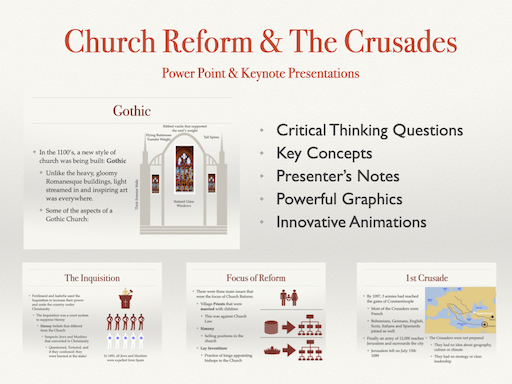
Dual Presentation Formats: Fully editable files are provided in both Microsoft PowerPoint and Apple Keynote. They easily accommodate any classroom setup or hardware preference.
Instant Google Drive Integration: Receive an instant access link upon purchase. Copy comprehensive student and presenter notes directly into your Google Drive with a single click.
Built-in Critical Thinking: Embedded higher-order discussion questions check for understanding. Core social studies concepts spark analytical debates.
Dynamic Visuals & Animations: Powerful graphics and innovative animations break down architectural shifts. These visual tools keep students fully engaged.
Comprehensive Lesson Outline & Topics Covered
The presentation guides students step-by-step through key historical developments:
The Dark Ages & The Age of Faith: Explores the invasions of the Magyars, Vikings, and Muslims from 500 to 1000 AD. It then follows the spiritual revival initiated by monasteries in places like Cluny, France.
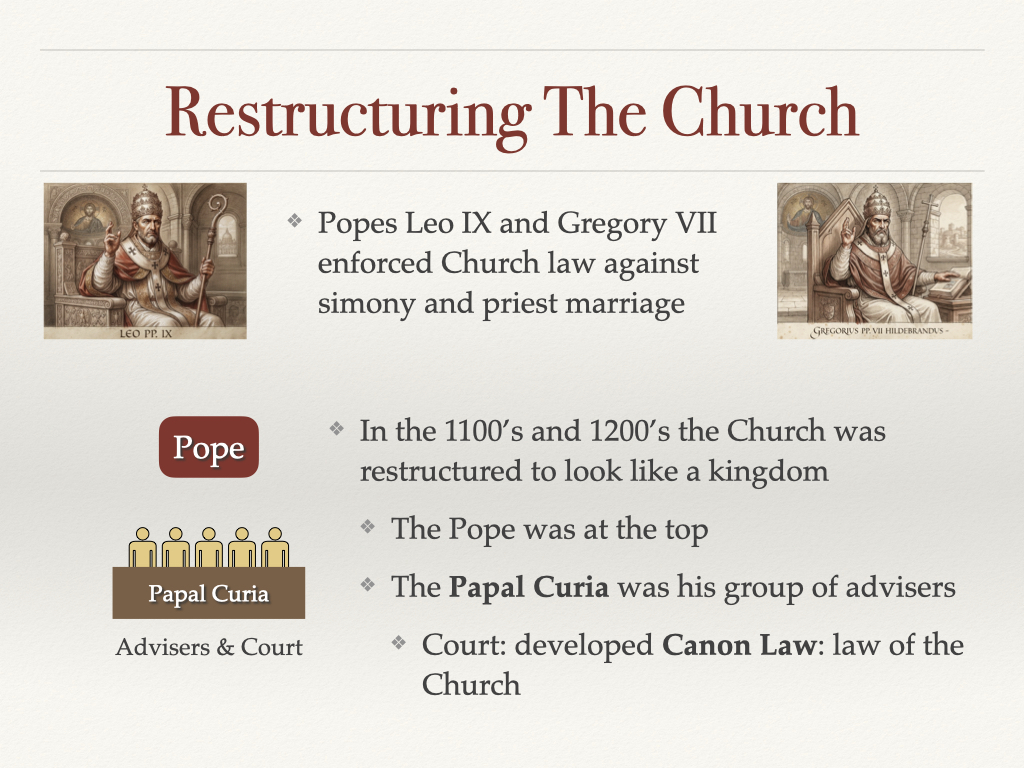
Church Reform & Governance: Examines major issues facing medieval clergy, including illiterate priests, questionable morals, simony, lay investiture, and married village priests. Popes like Leo IX and Gregory VII restructured the Church like a kingdom using the Papal Curia and Canon Law.
New Religious Orders: Highlights the rise of wandering friars taking vows of chastity, poverty, and obedience. Key figures and groups feature the Dominicans, Francis of Assisi, and the Poor Clares.
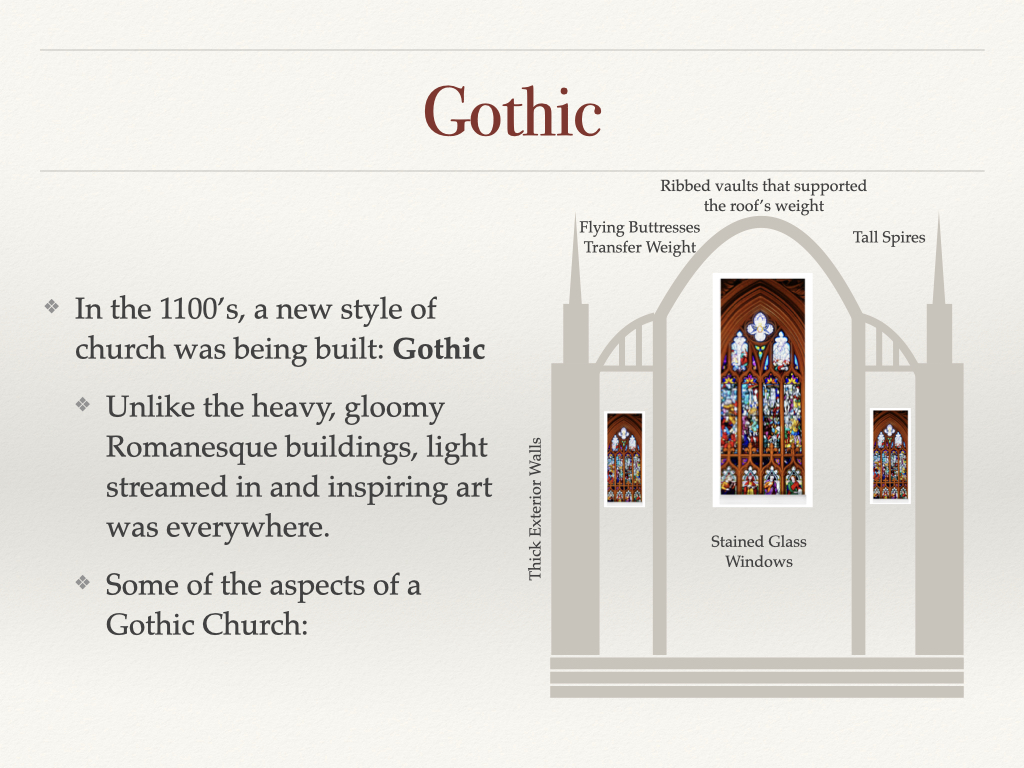
Cathedrals and Architecture: Contrasts the heavy, gloomy Romanesque style with soaring, light-filled Gothic cathedrals. Romanesque buildings feature thick walls and tiny windows, while Gothic structures use ribbed vaults, flying buttresses, and stained glass built between 1170 and 1270.
The Crusades: Details Pope Urban II’s call for a holy war and the motivations of crusading knights, younger sons, and merchants. Major campaigns include the First Crusade, Saladin’s recapture of Jerusalem, and the Third Crusade led by Richard the Lion-Hearted and Philip II.
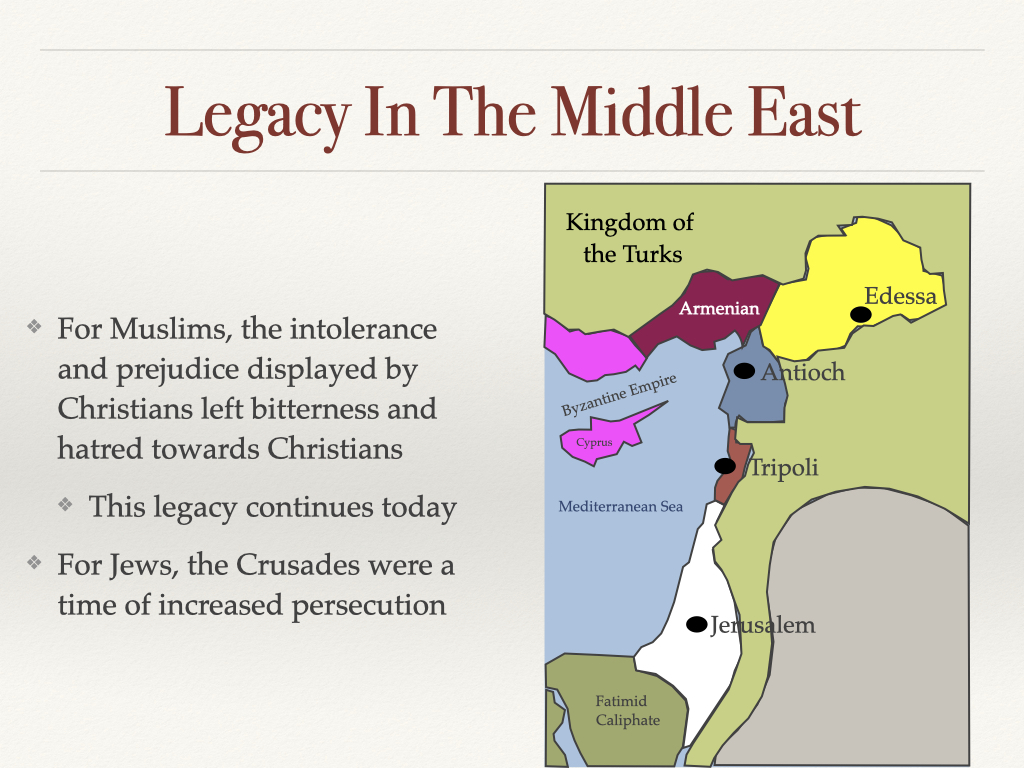
Decline and Legacy: Covers the tragic Children’s Crusades, the Spanish Reconquista under Ferdinand and Isabella, and the Inquisition. It wraps up with long-term political, economic, and social effects on Europe, Muslims, and Jewish communities.
Publisher Disclaimer
These materials were prepared by Harms LLC. They have neither been developed, reviewed, nor endorsed by Houghton Mifflin Harcourt Publishing Company, publisher of the original WORLD HISTORY: Patterns of Interaction work on which this material is based.
Looking for more? Explore our complete collection of History Presentations.
Reviews
There are no reviews yet.