
Reflections on Our First Week Back: Engaging Lessons in Modern World History
Reflections on Our First Week Back: Engaging Lessons in Modern World History
Hello, fellow educators!
As we dive back into the rhythm of the school year after our Christmas break, I want to share some highlights from our first week in Modern World History 2. This week, we focused on Module 26. It covers Revolutions and Nationalism, including lessons on the Russian Revolution, Stalinist Russia, the collapse of Imperial China, and nationalism in Southwest Asia.
Engaging with the Micro Lessons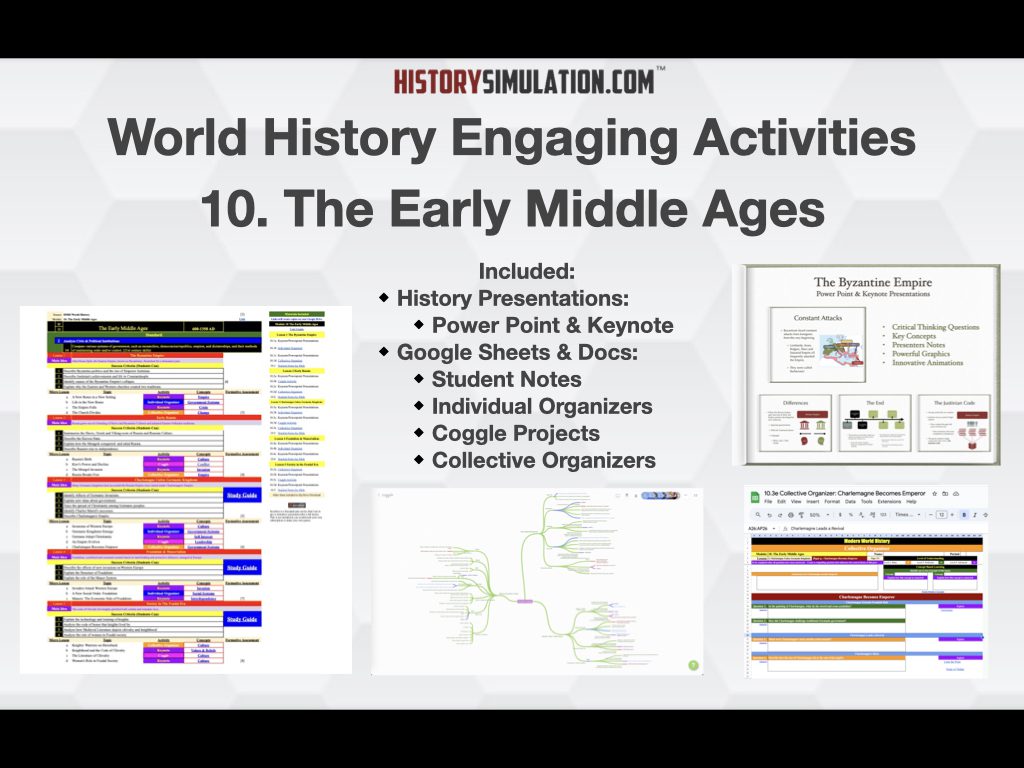
To facilitate our learning, we utilized a series of Micro Lessons from History Simulation.com. These lessons proved effective for engaging students. They allowed students to absorb complex topics in manageable segments.
One standout figure we explored was Joseph Stalin. His controversial legacy always sparks interest and debate among students! Given that many of our learners were born after the Cold War, they approach communism with fresh perspectives. Interestingly, they are often unaware of its historical complexities.
It’s fascinating to see their reactions to the stark differences between Marx’s original ideas, Lenin’s adaptations, and Stalin’s authoritarian implementation. This contrast opens up rich discussions about political ideologies and their real-world impacts.
Preparing for Tests and Critical Thinking
As we prepare for assessments, I’m excited to share that Modern World History 1 will test on Monday. They will cover The Early Middle Ages and the Power of the Church. It’s crucial for students to understand that life during this period revolved around salvation and the church. This understanding fundamentally shaped societal structures.
To help them grasp this concept, we also utilized Micro Lessons for this module, available through History Simulation. These lessons encourage students to think critically about the influences of religion on everyday life and governance during the Early Middle Ages.
Conclusion
As we embark on this new semester, I encourage all of you to consider the power of micro lessons in your teaching. They break down complex topics into digestible parts. Additionally, they engage students in meaningful discussions about history.
Let’s continue to inspire our students to think critically about the past and its relevance to their lives today. Here’s to a successful and enriching semester ahead!
Happy teaching!
Feel free to share your own experiences or strategies from this past week in the comments below!